
STUDIO LIVING GUIDE
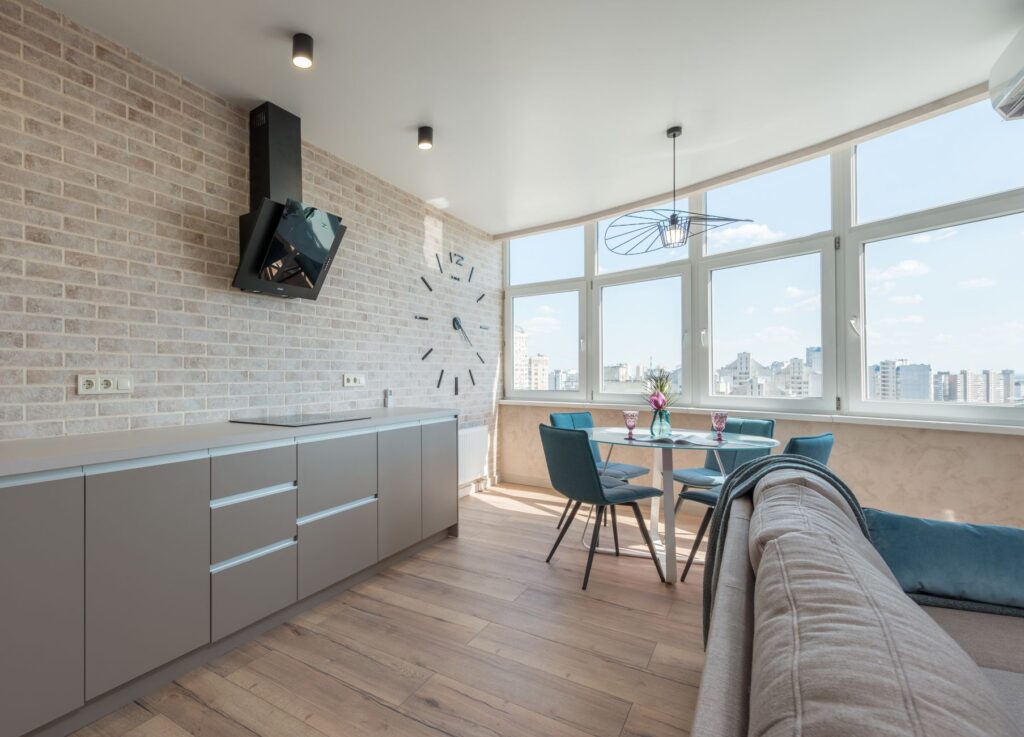
A studio is one open room that does the work of several. In Seattle, and especially in a walkable neighborhood like Uptown, that can be a feature rather than a compromise. When the city is your extra square footage, a well planned studio gives you a calm home base and a short walk to almost everything else.
This guide covers the practical parts: how to lay out and zone one room, where to put storage, what a north-facing studio means for light and how to work with it, and how to make an open, loft-style space feel settled and quiet. Rejuvenate Apartments sits at 201 Queen Anne Ave N, at the base of Queen Anne hill next to Seattle Center, so the examples here are local and specific.
The short version
- Zone before you furnish. Divide one room into sleep, work, and living areas with rugs, a sofa back, or a shelf, and measure the space before you buy anything.
- North-facing light is soft and steady. A north-facing studio gets little or no direct sun, which means even, glare-free light all day and less fading of fabrics, art, and screens.
- Plants still work. Snake plant, ZZ plant, and pothos tolerate low and indirect light, so a north window can still be green.
- Go vertical for storage. Tall shelves, over-door racks, and under-bed bins add room without taking floor space, and renter-safe options avoid drilling.
- Uptown is a walker’s paradise. Lower Queen Anne has a neighborhood Walk Score of 92, with Seattle Center, Climate Pledge Arena, and frequent transit a short walk away.
Why studio living works in Uptown Seattle
Studio apartments in Seattle work best in neighborhoods where daily life happens outside your door. Lower Queen Anne, also called Uptown, has a neighborhood Walk Score of 92, so coffee, groceries, parks, and transit are a short walk away. That turns a compact home into a base camp rather than a limit.
Uptown sits at the base of Queen Anne hill, right next to the 74-acre Seattle Center campus built for the 1962 World’s Fair. In 2017 the City of Seattle named it an Arts and Cultural District, the third in the city, recognizing the more than 30 arts and cultural organizations clustered on and around the campus. Living here means the Space Needle, Climate Pledge Arena, theaters, and the Monorail are part of your walk to the bus, not a special trip.
A studio also tends to cost less to rent and to heat and cool than a larger home, and it is quicker to clean and easier to keep tidy. The trade is space, and most of that trade can be managed with layout and storage, which the rest of this guide covers. For renters watching their budget, the building also has income-restricted homes through a City of Seattle affordable housing program; you can read the details on the affordable housing page.
How to lay out and zone a studio
Zone the room before you furnish it. Decide where the sleep, work, and living areas go, then use rugs, a sofa back, a bookshelf, or a curtain to mark the edges. Clear zones make one room read as several, which is what makes a studio feel like a home instead of a bedroom with a kitchen attached.
- Measure firstSketch the room with window and door positions, then measure the wall lengths before you buy furniture. Large windows and high ceilings, common in loft-style conversions, change where a bed or a tall shelf can sit.
- Anchor the bedPlace the bed against a wall away from the entry, and use a low headboard or a shelf behind it to separate the sleeping area from the rest of the room.
- Float the living areaPull a sofa or two chairs off the wall to create a living zone, and let the back of the sofa act as a soft divider between lounging and the bed or desk.
- Carve out workSet a compact desk near a window for daylight. A north window gives even light with little screen glare, which suits a work-from-home setup.
- Define with rugsUse one rug under the living area and a smaller one by the bed. Different rugs signal different rooms without adding a single wall.
Measure twice, carry up once
Loft-style conversions often have high ceilings and tall windows, so vertical space is your friend, but doorways, elevators, and stair turns set the real limit. Measure your largest pieces and the path they take before you buy or move. A sofa that fits the room still has to get into it.
What a north-facing studio means for light
A north-facing studio in Seattle receives little or no direct sunlight, so the light is soft, even, and steady from morning to evening. You get very little glare, cooler color tones, and less fading of fabrics, art, and screens. The trade is lower overall brightness, which you balance with lamps and reflective surfaces.
Seattle is in the Northern Hemisphere, so the sun tracks across the southern sky. A window that faces north rarely catches a direct beam, which is why the light stays consistent all day instead of swinging from harsh morning sun to glare in the afternoon. In summer a north-facing studio also stays cooler, since it takes in less direct heat.
North light is the light painters have chosen for centuries, steady and true, because it barely changes through the day.
To work with it, layer your lighting instead of relying on one overhead fixture. Add a warm floor or table lamp for ambient light, a task lamp at the desk, and a smaller accent light for the evening. Place a mirror on the wall opposite the window to bounce daylight deeper into the room, keep walls and larger furniture light in color, and leave the window itself as clear as privacy allows, with sheer coverings rather than heavy drapes during the day.
A north-facing studio
- Soft, even light all day with very little glare
- Cooler tones and less heat gain in summer
- Less fading of fabrics, art, and screens
- Lower overall brightness, so add a few lamps
A south or west-facing studio
- More direct sun and brighter rooms
- More heat and glare, especially late in the day
- Faster fading of textiles and wood finishes
- Good for sun-loving plants, harder for screens
North-facing can be a bargain right now
Select north-facing studios at Rejuvenate currently have a no-rent-until-January-2027 offer, and other select homes have four weeks free. These offers are current and subject to change, so ask the leasing team for the terms that apply. Eligibility and lease terms apply.
Plants that do well in a north-facing window
Several popular houseplants tolerate the low, indirect light of a north-facing window. Snake plant and ZZ plant are the most forgiving, pothos is a good trailing option for a shelf, and a peace lily will even flower if you keep it watered. Place them close to the glass, and avoid overwatering, which is the main risk in lower light.
| Plant | Light | Watering | Notes |
|---|---|---|---|
| Snake plant | Low to indirect | Every 2 to 4 weeks | Among the most tolerant of dim spots; let the soil dry out |
| ZZ plant | Low to indirect | Every 2 to 4 weeks | Slow, sturdy growth that handles a little neglect |
| Pothos | Low to bright indirect | When the top soil dries | Trails from a shelf or a hanging planter |
| Peace lily | Low to indirect | About weekly | The one that flowers; it droops when thirsty, then recovers |
In lower light plants grow slowly, so they drink less and need less feeding. Rotate them every few weeks so they grow evenly, wipe dust off the leaves so they can use what light there is, and if a corner is very dim, a small grow light can fill the gap.
Watch the watering, not the light
In lower light, plants grow slowly and drink less, so the fastest way to lose one is overwatering. Check that the top of the soil is dry before you water, use pots with drainage holes, and keep plants near the window rather than across the room.
Storage that adds room without taking floor space
In a studio, storage should climb the walls and tuck under furniture rather than spread across the floor. Tall shelves, over-door racks, under-bed bins, and a bed frame with drawers free up the open floor that makes a small home feel larger. Renter-safe options avoid drilling and protect your deposit.
Go vertical
Tall, narrow shelving uses wall height instead of floor space. High ceilings in a loft-style home give you extra feet to work with.
Use the bed
A storage bed with drawers, or simple under-bed bins, holds off-season clothes and bulky items out of sight.
Work the doors
Over-door and back-of-door racks hold shoes, cleaning supplies, and pantry items with no wall damage.
Double up furniture
An ottoman that opens, a bench with cubbies, or a desk with shelves earns its footprint twice.
Keep it renter-safe
Tension rods, adhesive hooks, and freestanding units avoid drilling, so you keep the space flexible and your deposit intact.
Making a loft-style conversion feel like home
An open, loft-style studio with high ceilings and large windows feels generous, but it can also feel bare. Soften it with textiles, layered lighting, and a few tall elements that draw the eye upward and fill the vertical space, so the room reads as finished rather than empty.
Rejuvenate is an office-to-residential conversion with a Brooklyn-loft feel: high ceilings, large windows, polished finishes, and smart-home features, with energy-efficient systems that help keep utilities down. Those same features reward a few deliberate touches. Hang art a little higher than you would in a low-ceilinged room, add a tall plant or a ladder shelf to use the height, lay down a rug to warm the floor and soften sound, and pick warm bulbs so the evening light feels settled. You can see the building’s features on the amenities page.
Keeping an open studio quiet
In one open room, soft materials do the work that walls would. Rugs, curtains, upholstered furniture, and a few wall hangings absorb sound and cut echo, which makes an open studio feel calmer and more private, especially for sleep and calls.
A few placements help too. Face the bed away from the entry and the street side, use a bookshelf as a buffer between the sleeping area and the rest of the room, and add a small white-noise machine or a fan for nights when the neighborhood is busy. Modern, energy-efficient windows cut a surprising amount of street sound on their own, and renter-safe weatherstripping on the door can trim the rest.
A quieter corner next to a busy campus
Lower Queen Anne sits next to Seattle Center and Climate Pledge Arena, so event nights bring crowds and energy to the streets. Inside, large modern windows and soft furnishings help keep a studio calm. For the quietest setup, face the bed away from the street side and lean on rugs and curtains to absorb sound.
Getting around from Lower Queen Anne
From 201 Queen Anne Ave N you can walk to Seattle Center in about five minutes and reach downtown by Monorail or a frequent RapidRide bus. The neighborhood’s Walk Score of 92 means most daily errands do not need a car, which is part of why a smaller home goes further here.
| Destination | About how far | Notes |
|---|---|---|
| Seattle Center, west edge | About 5 min on foot | 74-acre campus, the 1962 World’s Fair site |
| Climate Pledge Arena | About 5 min on foot | Home of the Seattle Kraken (NHL) and Seattle Storm (WNBA) |
| Space Needle and the Armory | About 10 min on foot | Landmark tower and an indoor food and gathering hall |
| Seattle Center Monorail | About 10 min on foot | About a 2 to 3 min ride to Westlake, where it connects to Link light rail; accepts ORCA |
| RapidRide D Line stop | A few minutes on foot | Frequent buses along Queen Anne Ave N toward Ballard and downtown |
Because Uptown is a designated arts district next to the Seattle Center campus, a lot of what you might travel for on a weekend is already within a walk: theaters, museums, concerts, and open green space. For more on what surrounds the building, see the neighborhood page.
Frequently asked questions
What is a studio apartment?
A studio is a single open room that combines the living, sleeping, and kitchen areas, usually with a separate bathroom. There are no interior walls dividing the main space, so you zone it yourself with furniture, rugs, and lighting. Studios are typically smaller and more affordable to rent than one-bedroom homes.
Is a north-facing apartment bad?
No. A north-facing studio simply gets soft, indirect light instead of direct sun, which means even lighting, little glare, and less fading of fabrics and screens, and it stays cooler in summer. You balance the lower brightness with a few lamps and reflective surfaces, and many houseplants still do well by the window.
What plants grow in a north-facing window?
Low-light tolerant plants are the safest choice. Snake plant and ZZ plant handle dim spots well, pothos trails nicely from a shelf, and a peace lily will flower if you keep it watered. Place them close to the glass and avoid overwatering, since plants drink less and grow more slowly in lower light.
How do you make a small studio feel bigger?
Zone the room into areas with rugs and furniture, keep the floor as open as possible, and move storage up the walls and under the bed. Use mirrors and light colors to bounce daylight, choose a few taller pieces to use the ceiling height, and keep surfaces uncluttered so the eye can travel across the room.
Is Lower Queen Anne a good place to live without a car?
For many trips, yes. Lower Queen Anne has a neighborhood Walk Score of 92, with groceries, parks, and Seattle Center within walking distance. The RapidRide D Line runs frequently along Queen Anne Avenue, and the Monorail connects Seattle Center to downtown, where it links to Link light rail.
Does the building have affordable studios?
Rejuvenate Apartments includes income-restricted homes through a City of Seattle affordable housing program, alongside its market-rate studio and one-bedroom style homes. Income and eligibility rules apply, and the details can change, so check the affordable housing page on the site or ask the leasing team for the current requirements.
See the studios at Rejuvenate
Browse current availability, including north-facing studios. Select north-facing homes currently have no rent until January 2027, and other select units have four weeks free. These offers are current and subject to change, and eligibility and lease terms apply, so ask the leasing team for details.
Sources
- Walk Score: Lower Queen Anne, Seattle
- Climate Pledge Arena, Seattle Center
- Seattle Center Monorail now accepts ORCA (Sound Transit)
- Seattle Office of Arts and Culture: Arts and Cultural Districts
- Seattle Center: travel options to Uptown (seattle.gov)
- SolTech: Best Indoor Plants for North-Facing Windows
Distances and walking times are approximate and measured from 201 Queen Anne Ave N; check a mapping app for your exact route. Transit schedules, venue details, and offers can change, so confirm current information before you rely on it. Rental specials are current and subject to change, and eligibility and lease terms apply.